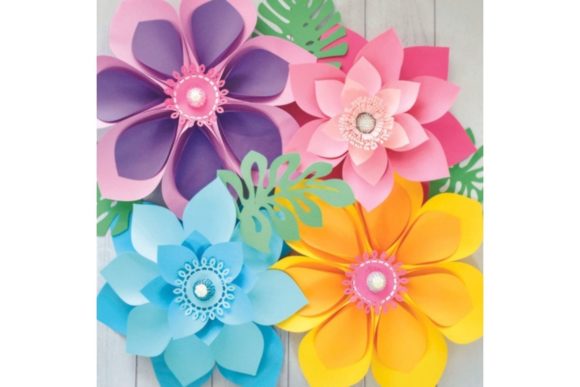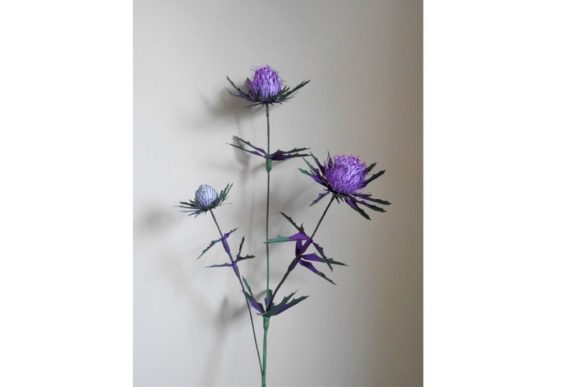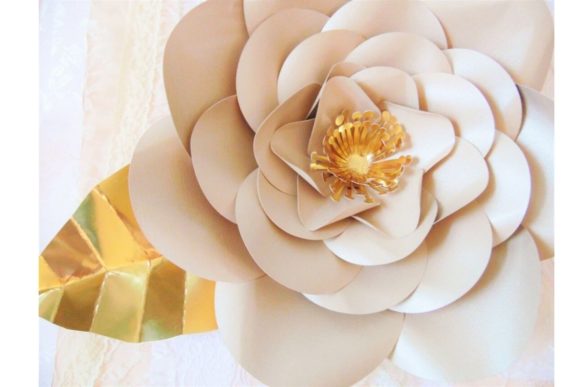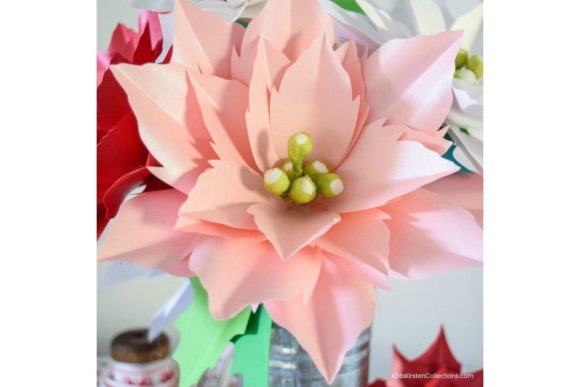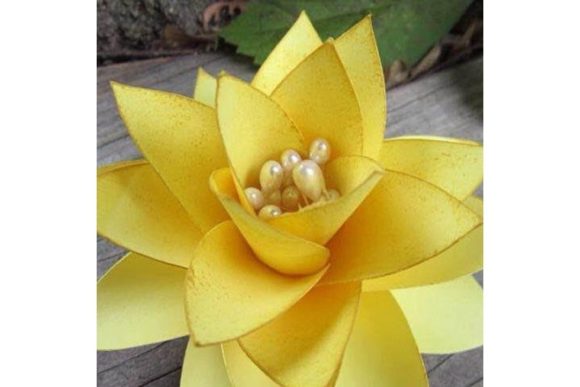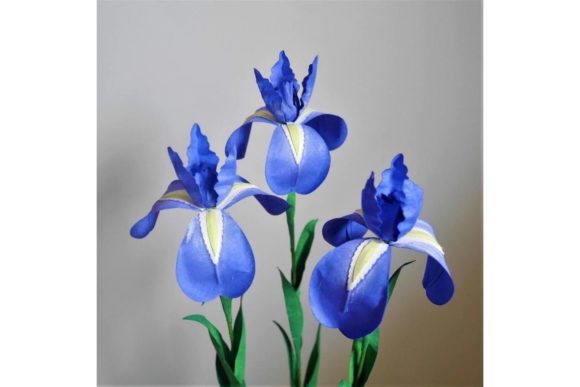
Japanese Iris Paper Flower Templates
First Impressions: Delicate, Versatile, and Rich in Craftsmanship
Opening the Japanese Iris Paper Flower Templates bundle, I was immediately struck by the elegance and intricacy of the designs. These are not your average floral graphics — they carry a sense of artistry that feels handcrafted, yet scalable for digital and print use. The inclusion of SVG, Studio, and Scan formats makes them adaptable for Cricut projects, print-on-demand products, and even packaging design. The video tutorial is a thoughtful addition, especially for clients or makers who may not be design-savvy but want professional results.
Setting the Mood: Sophisticated, Natural, and Handmade
The visual tone of these paper flower templates leans toward the organic and artisanal. They evoke a soft, elegant aesthetic that works well for brands rooted in nature, wellness, lifestyle, or boutique-style businesses. Whether it’s a seasonal campaign for a local event or a new product line for an Etsy shop, the Japanese Iris designs bring a sense of warmth and craftsmanship that digital illustrations often lack. They’re ideal for projects that aim to feel personal, thoughtful, and slightly nostalgic.
Real-World Application: From Branding to Social Media
In my recent work for a small botanical skincare brand, I tested the Japanese Iris Paper Flower Templates across multiple deliverables. Here’s how they performed:
- Logo Design: Used as a supporting graphic, the flower added a soft, organic touch to a minimalist logo suite.
- Packaging Design: Worked beautifully as a decorative accent on eco-friendly product boxes and tissue paper.
- Social Media Graphics: Transformed Instagram stories and Pinterest pins with a cohesive, visual theme that boosted engagement.
- Printable Design: Ideal for downloadable wall art and seasonal greeting cards aimed at the handmade business market.
- Cricut Projects: Clean lines and layered detail made them perfect for DIY kits and craft-based marketing materials.
Where These Flower Templates Shine
These designs excel in projects that benefit from a touch of natural beauty without overwhelming the composition. They’re particularly effective in:
- Themed Collections: Seasonal promotions, botanical branding, or floral editorial layouts.
- Product Mockups: Especially when paired with light textures or soft backgrounds.
- Hero Graphics: As a focal point on landing pages or social media banners.
- Decorative Accents: Enhancing packaging details or adding depth to print labels.
- Commercial Design Assets: Bundled with other floral graphics for digital sellers or Canva template creators.
When to Use with Caution
Despite their charm, these paper flower templates aren’t a one-size-fits-all solution. I found they can become visually busy or lose clarity in certain contexts:
- Small Sizes: Detail gets lost on tiny stickers or mobile app icons.
- Crowded Layouts: Risk blending in when surrounded by competing elements.
- Minimalist Branding: May clash with ultra-clean, modern design systems.
- Professional Corporate Materials: Better suited for lifestyle or creative industries than formal sectors.
- Low-Contrast Designs: Need careful placement to ensure readability and visual hierarchy.
Impact on Branding and Audience Engagement
Used thoughtfully, Japanese Iris Paper Flower Templates can elevate a design from functional to memorable. They help establish a visual language that feels personal and authentic — qualities that resonate with audiences seeking connection and craftsmanship. In client work, this translates to increased emotional appeal and brand trust. However, consistency is key. I recommend pairing these templates with a strong typography system and a curated color palette to maintain professionalism and brand recognition.
Practical Designer Notes Before Use
Before integrating these templates into a client project, here’s what I recommend testing:
- Test in Black and White: Check if the design still holds visual interest without color.
- Contrast Checks: Ensure legibility on both light and dark backgrounds.
- Size Variations: Preview at multiple scales to avoid detail loss.
- Mockup Placement: Use real product mockups to assess how the design interacts with physical materials.
- Print Quality: Confirm line sharpness and layer definition when printed.
- File Format Review: Make sure SVG files are fully editable and PNGs have clean transparency.
- Font Pairing: Works best with script or handwritten fonts, though can be balanced with sans serif for modern contrast.
- Commercial Licensing: Always verify that the asset includes a commercial license for client work or print-on-demand use.
Final Verdict: A Valuable Addition to Your Creative Toolkit
For designers working with small businesses, handmade brands, or content creators looking to add a tactile, artisanal touch to their visuals, the Japanese Iris Paper Flower Templates are a strong contender. They offer both visual appeal and functional versatility, especially when used in packaging design, social media graphics, or printable design projects. Just like any design asset, their success depends on context, execution, and alignment with the brand’s visual identity.
If you’re curating a design bundle for a creative marketplace or building a visual concept for a client’s seasonal campaign, these templates are worth a closer look. With proper testing and thoughtful integration, they can help elevate your design work from good to beautifully crafted.