Cute Bow Template: 3D SVG Shape Adds Whimsy to Branding & Packaging Designs
First Impressions: A Playful Yet Versatile Design Element
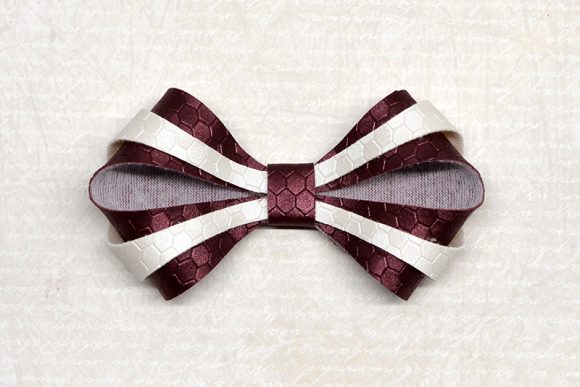
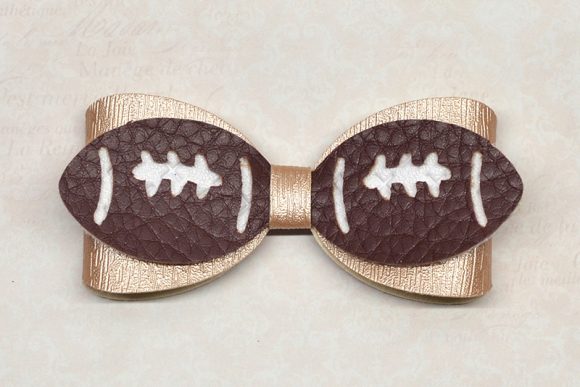
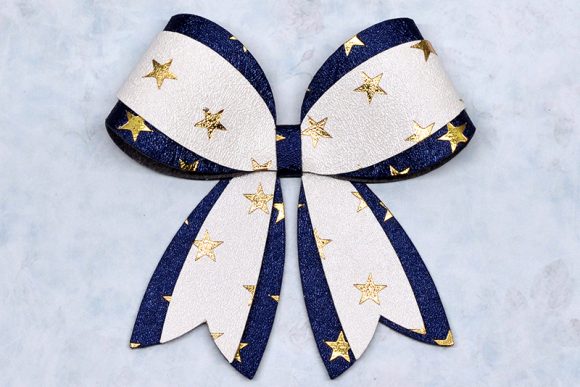
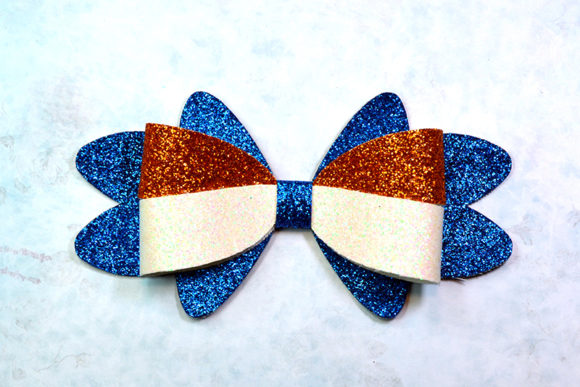
Opening up the Cute Bow Template file, I immediately noticed the soft curves and dimensional depth of the 3D SVG. It's the kind of design element that feels both nostalgic and modern — like a throwback to childhood crafts, but with a clean, scalable vector structure that works in professional design environments. The bow’s rounded edges and layered appearance make it feel tactile, even on screen, and its stylized simplicity allows it to blend into a wide range of visual contexts without overpowering other design elements.
How Cute Bow Template Elevates Real-World Client Projects
Working recently on a rebrand for a boutique children’s clothing line, I found myself searching for design assets that could subtly reinforce the brand’s playful, handcrafted aesthetic. That’s when I revisited the Cute Bow Template — and it fit like a glove. Whether used as a decorative accent on hangtags, a repeating pattern in packaging tissue, or a subtle embellishment in social media posts, the template helped maintain a cohesive and emotionally engaging visual tone across multiple touchpoints.
Its 3D SVG format made it easy to scale and recolor for consistency across different materials — from printed stickers to digital Canva templates shared with the client’s team for in-house social media creation. The SVG structure also allowed for easy integration into Cricut projects, which the client wanted to offer as downloadable extras for their DIY-savvy customers.
Design Applications: Where Cute Bow Template Shines
The Cute Bow Template excels in branding and marketing visuals that lean into softness, femininity, or a handmade feel. Here’s where I found it most effective in real client work:
- Logo design – As a secondary icon or brand embellishment in boutique, baby, or lifestyle brands.
- Packaging design – Perfect for sticker seals, gift tags, or embossed details on product boxes.
- Social media graphics – Works as a decorative divider or highlight element in Instagram stories and Pinterest pins.
- Printable design – Ideal for planners, gift tags, or themed printables sold on Etsy or in Canva templates.
- Merchandise design – Easily adapted for mugs, tote bags, and t-shirts, especially when paired with script fonts or soft color palettes.
Best Use Cases: Design Layouts That Let the Bow Breathe
Because of its detailed contours and soft visual weight, the Cute Bow Template performs best in layouts that give it room to stand out. I’ve had the most success using it in:
- Hero graphics – On landing pages or product mockups where a touch of whimsy draws attention without distraction.
- Themed collections – Especially for seasonal campaigns or limited-edition product lines.
- Packaging details – As a foil-stamped accent on envelopes or as part of a repeating border on tissue paper.
- Editorial design – In children’s books or lifestyle magazines where illustrative elements support the narrative tone.
Where to Use It Carefully: Avoiding Visual Overload
Despite its charm, the Cute Bow Template isn’t a one-size-fits-all design asset. In more restrained or minimalist brand identities, it can feel out of place. Here are a few scenarios where I’ve chosen to avoid or scale back its use:
- Small-scale prints – The fine details can get lost in tiny sticker or button applications.
- Minimalist branding – Doesn’t align well with ultra-clean, sans-serif-focused brand systems.
- Busy layouts – Tends to clash visually in high-contrast or layered editorial spreads.
- Corporate materials – Feels too informal for law firms, financial services, or technical B2B brands.
Impact on Brand Consistency and Audience Engagement
When used intentionally, the Cute Bow Template adds a layer of emotional appeal that can enhance brand recognition. It subtly communicates warmth, approachability, and attention to detail — qualities that resonate with audiences in niches like handmade businesses, children’s products, and female-led small brands.
However, as with any design asset, overuse can dilute its impact. I always recommend integrating it as a supporting element rather than a dominant motif. This helps maintain visual hierarchy and ensures that core brand messaging — like logos, taglines, and calls to action — remain the focal point.
Designer Notes: What to Test Before Final Delivery
Before committing to the Cute Bow Template for a client project, here are a few practical checks I always run:
- Test in black and white – Does it still read clearly without color?
- Preview at multiple sizes – Confirm it scales well from large posters to small digital icons.
- Check contrast – Ensure it stands out on both light and dark backgrounds, especially for social media use.
- Inspect file formats – Verify that both SVG and PNG versions are clean, with no stray anchor points or transparency issues.
- Place on real mockups – See how it looks on product mockups like t-shirts, stickers, and packaging to gauge real-world application.
- Test print quality – Print a sample on sticker paper or vinyl to ensure cut lines are sharp if used for Cricut or Silhouette projects.
- Compare with fonts – Pair it with different font styles — script, sans serif, or display — to ensure it harmonizes with the brand’s typographic voice.
- Confirm licensing – Make sure the Cute Bow Template comes with a commercial license, especially if it’s being used for print-on-demand, Etsy, or client deliverables.
Final Thoughts: A Polished Addition to Your Creative Toolkit
The Cute Bow Template is more than just a decorative shape — it’s a flexible graphic design asset that, when used thoughtfully, can elevate a project from generic to memorable. Whether you're crafting a seasonal campaign for a local boutique or designing a cohesive brand identity for a new Etsy shop, this 3D SVG shape brings a touch of charm and professionalism to your design work.
As a designer, I appreciate how assets like this one help bridge the gap between creative expression and commercial usability. Just remember to treat it like any other design element — with intention, testing, and alignment to the overall brand strategy.