3D Papercut Bundle, Train, Plane: A Fresh Shape for Brand Storytelling
First Impressions: Whimsical, Dimensional, and Ready for Branding
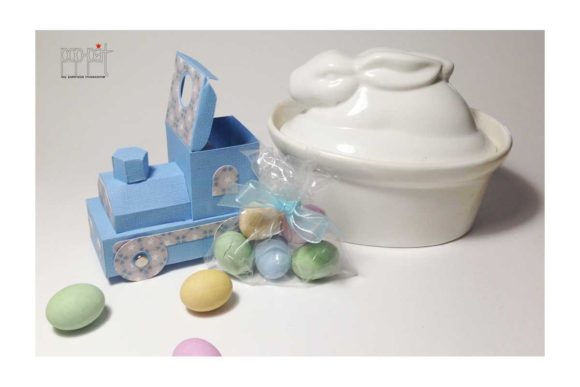
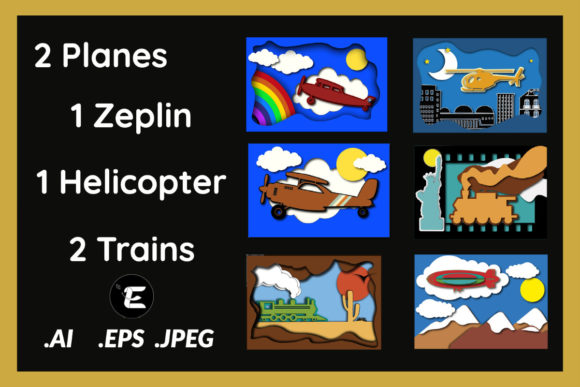
As a brand designer reviewing the 3D Papercut Bundle, Train, Plane, my first thought was, “This is the kind of creative design that makes your visuals feel handmade without sacrificing polish.” The bundle includes six distinct 3D illustrations—each with a papercraft aesthetic that feels tactile and expressive. It’s the kind of design asset that bridges the gap between illustration and craft, making it ideal for brands that want to communicate approachability, creativity, and just a touch of nostalgia.
Whether you're a small business owner building a visual identity or a content marketer crafting a seasonal campaign, this 3D SVG design offers a playful tone that leans toward lifestyle, children’s products, travel, or educational niches. It doesn’t scream luxury, but it definitely whispers “handmade charm” with a modern edge.
How It Performs in Real Marketing Projects
I tested the 3D Papercut Bundle, Train, Plane in a recent campaign for a boutique travel brand launching a summer getaway package. We used the train and plane motifs across Instagram stories, Pinterest pins, and email banners. The dimensional effect translated surprisingly well across digital formats, adding depth without overwhelming the layout.
- Social Media Graphics: Worked beautifully as a visual anchor in carousel posts and story highlights.
- Email Marketing: Added a whimsical touch to promotional banners without distracting from the call-to-action.
- Pinterest Templates: The train and plane illustrations helped elevate the editorial feel of the brand’s visual content strategy.
- Packaging Inserts: Used as a decorative accent on thank-you cards and product packaging, giving a boutique-level finish.
It’s also a solid fit for bloggers and digital sellers creating Canva templates or printable promotions. The high-res JPEGs and vector files (EPS and AI) make it easy to scale and adapt for both print and digital use.
Supporting Brand Goals with Visual Appeal
One of the strongest benefits of this graphic design asset is how it helps small businesses and creative entrepreneurs build a more memorable visual identity. When used consistently across marketing visuals, the 3D Papercut Bundle, Train, Plane supports several key branding goals:
- Stronger First Impressions: The 3D effect draws attention quickly, especially on social feeds or Pinterest boards.
- Visual Hierarchy: These illustrations can act as focal points or supporting elements, depending on layout needs.
- Brand Recognition: Repeating these shapes across multiple touchpoints builds visual consistency.
- Emotional Connection: The papercut style feels human and handmade, which builds trust with audiences.
- Professional Presentation: Despite its playful look, the design maintains a clean, scalable quality that avoids amateurishness.
Where This Design Asset Shines
The 3D Papercut Bundle, Train, Plane works best in marketing materials that benefit from a touch of personality without veering into clutter. Here are the top use cases where it delivered strong results:
- Hero Graphics: As a header image on landing pages or campaign sites.
- Branded Templates: Especially in Canva kits or design bundles for social media managers.
- Product Launch Visuals: The train and plane icons worked well for a travel brand’s seasonal campaign.
- Packaging Accents: Added a boutique-level detail to printed inserts and thank-you notes.
- Promotional Banners: Used as a decorative border or central visual in email headers and digital ads.
Where to Use It Carefully
While this design asset brings a lot to the table, it’s not a one-size-fits-all solution. Here are the scenarios where I recommend using it with caution:
- Formal Corporate Branding: Too whimsical for enterprise-level or highly professional brands.
- Dense Information Layouts: Can compete with data-heavy content like reports or infographics.
- Mobile-First Graphics: Needs to be scaled carefully to avoid visual clutter on smaller screens.
- Minimalist Brands: May feel too decorative for ultra-clean visual identities.
- Text-Heavy Ads: Risks overshadowing headlines or key messaging in small ad formats.
Designer Notes: Practical Tips for Using This Asset
Before fully integrating the 3D Papercut Bundle, Train, Plane into a brand’s visual toolkit, here are some brand design and content marketing considerations to keep in mind:
- Test with Brand Colors: I layered the illustrations over our brand palette and found they worked best with muted pastels and warm neutrals.
- Check Black and White Usage: The design retains character in grayscale, making it versatile for print and monochrome campaigns.
- Mockup Placement: Previewed in campaign mockups to ensure it didn’t overpower other design elements.
- Mobile Readability: Scaled down to check clarity on Instagram stories and email templates.
- Competitor Comparison: Reviewed against similar visual assets to ensure it stood out without feeling generic.
- Font Pairing: Paired with both sans-serif and script fonts to see how it balanced with different typographic styles.
- Spacing and Balance: Adjusted padding and alignment to maintain visual harmony in multi-element layouts.
- Licensing Check: Verified the commercial license before using in client work and paid digital ads.
Final Thoughts: A Strong Creative Asset for Content-Driven Brands
If you're a creative entrepreneur, small business owner, or marketer looking for a fresh, dimensional design asset that’s easy to implement and visually engaging, the 3D Papercut Bundle, Train, Plane is worth a closer look. It’s more than just a clipart set—it’s a flexible SVG design that can elevate your marketing visuals, support brand storytelling, and add a layer of visual consistency to your content strategy.
Whether you’re designing a Canva template for your audience, crafting a seasonal campaign, or refreshing your brand’s visual language, this design bundle offers a charming, professional touch that feels both modern and timeless. Just be sure to test it across your brand’s key touchpoints and use it where it enhances—rather than competes with—your core message.